
Right to Repair Trends Affecting El Paso Devices
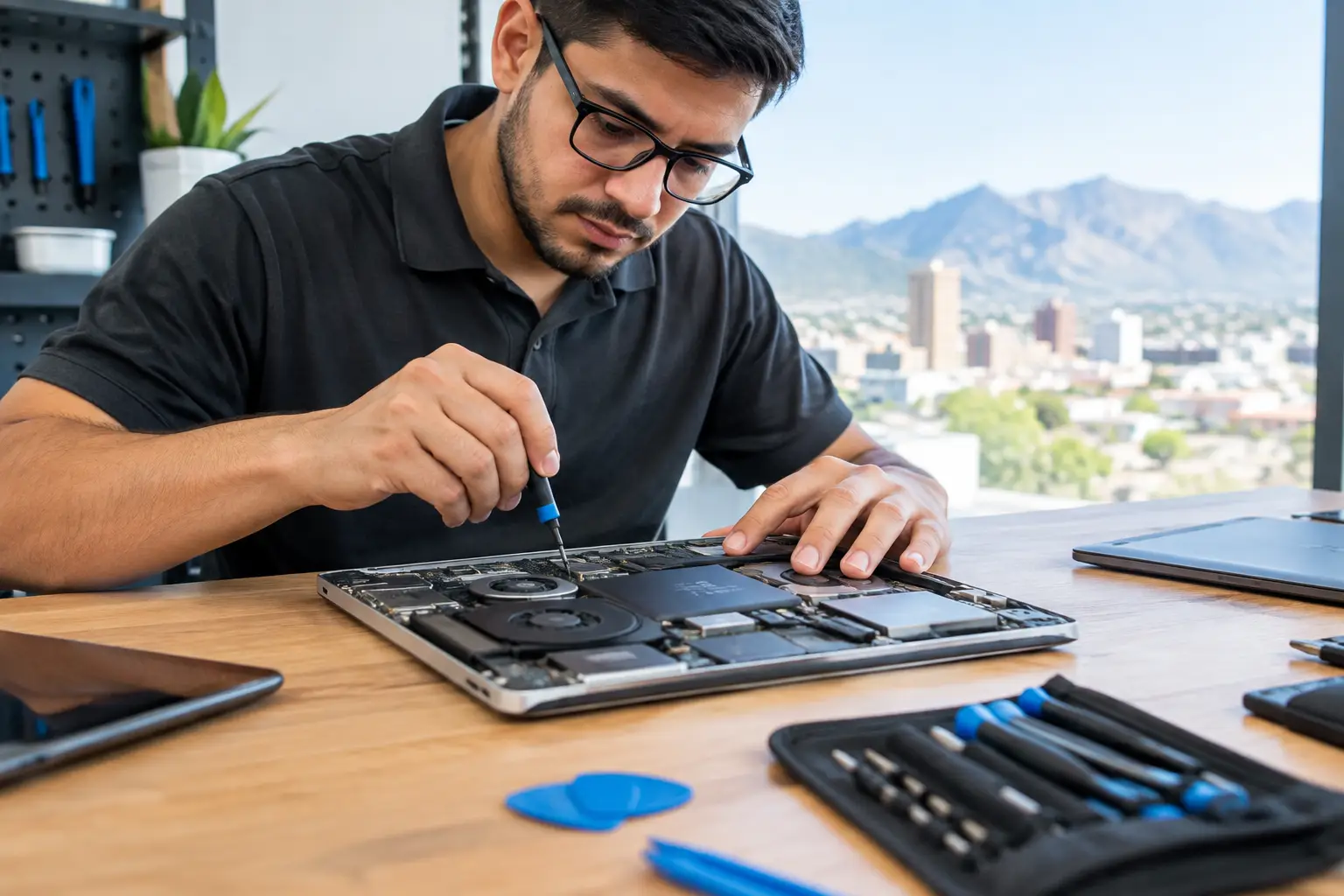
A cracked phone screen used to lead to one simple question: repair it or replace it? Right to repair trends are making that decision more complicated - and, for many El Paso device owners, more favorable. The change is not just about having the right screwdriver. It affects access to parts, diagnostic information, software tools, replacement components, and the ability to choose a qualified local repair shop instead of replacing a device early.
For families, students, gamers, and small businesses, that matters. A phone with a bad charging port, a laptop with liquid damage, or a console with no HDMI output may still have plenty of useful life left. Whether it can be repaired at a fair price often depends on the manufacturer’s repair policies as much as the actual fault.
What Right to Repair Means in Practical Terms
Right to repair is the idea that device owners and independent repair professionals should have reasonable access to the information, parts, tools, and software needed to diagnose and fix electronics. It does not mean every repair is safe for every person to attempt. Board-level work, battery service, and power-related diagnostics require proper equipment and experience.
The practical goal is choice. If your MacBook needs a charging circuit repair, you should not automatically be limited to a full device replacement. If a gaming console has a damaged HDMI port, a qualified technician should be able to source the correct component, diagnose related board damage, and perform the repair without unnecessary barriers.
Manufacturers have legitimate concerns about battery safety, counterfeit parts, security, water resistance, and device reliability. Those concerns are real. At the same time, repair policies can go too far when they make ordinary service unnecessarily expensive, restrict parts availability, or treat a repairable fault as a reason to replace an entire device.
Right to Repair Trends Changing Electronics Service
Several changes are moving the repair industry toward more access and more accountability. The details vary by manufacturer and product category, but the overall direction is clear: repair is becoming a more visible part of the ownership conversation.
More Official Parts and Repair Resources
Some manufacturers now offer official parts, repair manuals, and diagnostic tools to consumers or independent repair providers. This can improve repair quality when the resources are reasonably priced and available. It may also help shops confirm whether a problem is caused by a battery, display, charging assembly, cable, port, or deeper motherboard issue.
Availability is still uneven. A newer flagship phone may have a parts program while an older tablet, a specific laptop model, or a game console remains difficult to support through official channels. Parts may also be limited by region, model number, color, storage configuration, or serial-based compatibility requirements.
That is why an accurate diagnosis comes first. Replacing a screen will not solve a phone that actually has a damaged display connector or a failing power rail. A lower-cost part is not a bargain if it does not restore proper function.
Repairability Is Becoming a Buying Factor
Customers are asking better questions before buying devices. Can the battery be replaced without destroying the housing? Is the charging port attached to a small daughterboard or soldered directly to the motherboard? Are storage and memory upgrades possible? Will replacement screens, keyboards, or fans be available in a few years?
Repairability does not always mean a device is cheap or simple to fix. Thin laptops, foldable phones, waterproof construction, and tightly packed game consoles can be challenging by design. But devices built with accessible fasteners, replaceable modules, documented parts, and fewer unnecessary software restrictions generally offer owners more options over time.
For small businesses, this can have a direct budget impact. A company that can replace laptop batteries, repair USB ports, recover data, and upgrade storage may delay costly hardware replacements. That means less downtime and fewer disruptions for employees.
Software Pairing and Calibration Remain a Major Issue
One of the most important right to repair trends is the focus on software restrictions after a physical repair. Some devices require parts to be paired, calibrated, or verified through manufacturer software. In some cases, a replacement part may function but trigger a warning, disable a feature, or limit performance until the device recognizes it.
Calibration can serve a valid purpose. Face recognition hardware, cameras, batteries, displays, and fingerprint systems may need accurate configuration for safety and performance. The problem comes when the process is unavailable to qualified repair professionals or when a repair is blocked even though the part is legitimate and the work is completed correctly.
Before approving a repair, ask what functions will be tested afterward. A professional evaluation should cover more than whether the device powers on. For a phone, that can include charging, touch response, cameras, audio, wireless connectivity, sensors, and biometric features. For a laptop, it may include charging behavior, keyboard input, display output, storage health, ports, and thermal performance.
Why Board-Level Repair Matters More Than Ever
The right to repair conversation often centers on batteries and screens because those are easy to understand. But many of the most valuable repairs happen below the surface.
A device that will not charge may have a worn charging port, but it could also have corrosion, a blown fuse, a failed charging IC, a shorted capacitor, or damage along a power rail. A laptop that does not turn on may need more than a new battery. A console with a black screen may have a damaged HDMI port, a failed retimer chip, or a fault elsewhere on the board.
Replacing an entire motherboard can be expensive and may put important data at risk. Board-level diagnostics and micro-soldering can sometimes repair the original board, preserve data, and avoid replacing a device that is otherwise in good condition. It is not always the right answer. Severe liquid damage, extensive corrosion, unavailable chips, or damage beneath multiple board layers can make repair impractical.
The key is honest evaluation. A shop should explain what has failed, what repair path makes sense, what risks remain, and when replacement is the smarter financial choice. At EPElectrocenter, all services are performed in-store, so customers can bring in devices for a free initial evaluation rather than guessing from a symptom alone.
What El Paso Customers Should Ask Before a Repair
You do not need to become a technician to make a good repair decision. Start by asking whether the issue has been diagnosed or whether the quote is based only on the visible symptom. A cracked screen is straightforward. Intermittent charging, random shutdowns, no display, or liquid damage usually requires more testing.
Ask whether the proposed repair uses an original, aftermarket, or refurbished component, and what that means for display quality, battery health, fit, color accuracy, or device warnings. There is no one right answer. A quality aftermarket screen can be a practical choice for an older phone, while a customer who depends on exact display performance may prefer an original part when available.
For laptops and desktops, ask whether an upgrade would solve the problem better than a replacement. Adding storage, replacing a failing drive, installing memory, repairing a charging circuit, or performing an operating system install can often restore a computer that feels unusable. If data matters, ask about recovery options before approving any service that could overwrite or replace storage.
Repair Is Not Always the Cheapest Option - But It Can Be the Best Value
A good right to repair system gives customers options. It does not promise that every device should be repaired. An older budget phone with major motherboard damage may cost more to restore than it is worth. A swollen battery needs prompt professional attention, and a severely damaged lithium-ion device may not be safe to keep using.
But replacing devices by default has costs that do not always appear on the receipt. There is the time needed to move accounts, apps, photos, business files, and settings. There is the risk of losing data. There is also the frustration of replacing a familiar device over a fault that could have been fixed with the right parts and technical skill.
When a device fails, save your data if possible, stop using it if the battery is swollen or it shows signs of overheating, and get a real diagnosis before spending money on a replacement. A clear explanation of the fault can turn a frustrating breakdown into a repair decision you can make with confidence.