
OEM Versus Aftermarket Screens: What Matters
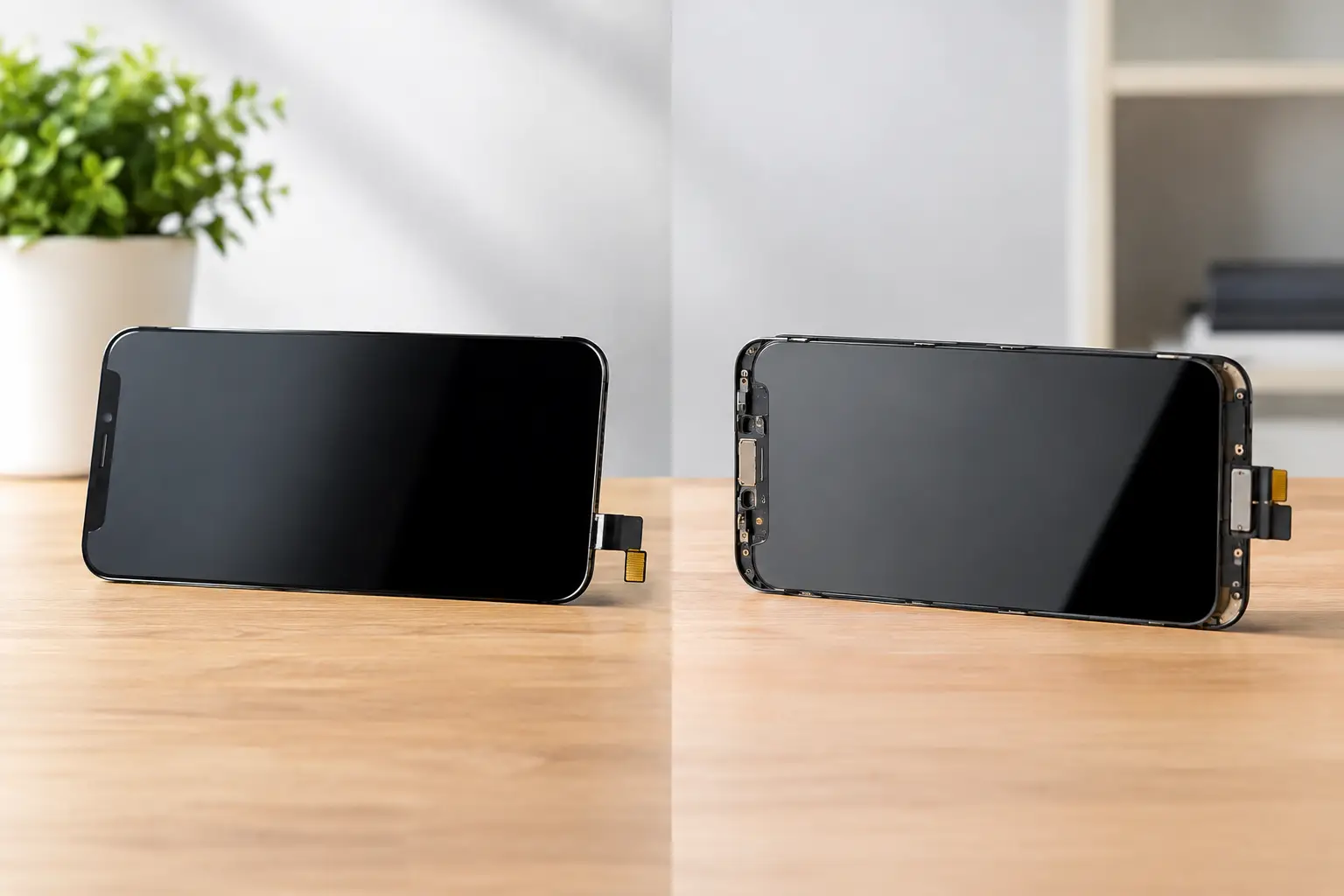
A cracked phone screen creates an immediate decision: replace the display for the lowest possible price, or pay more for a part closer to what came with the device? The OEM versus aftermarket screens question is not just about brands or marketing. It can affect brightness, touch response, battery use, durability, and features such as fingerprint recognition.
The right answer depends on your device, how you use it, the condition of the phone, and what you expect from the repair. A quality repair shop should explain those differences before work begins, not hand you a vague quote and leave the details until pickup.
What an OEM Screen Actually Means
OEM stands for Original Equipment Manufacturer. In repair conversations, it usually refers to a screen made by, made for, or sourced from the same manufacturer that supplied the original device display. For many phones, especially premium Apple and Samsung models, an OEM screen is intended to match the original display's fit, color, brightness, touch behavior, and supported features as closely as possible.
There is an important detail, though: the term is not always used consistently across the repair industry. A true new service-pack part is different from a used original screen removed from another device, and both are different from an aftermarket part advertised as “OEM quality.” Those descriptions may all appear in the market, but they do not mean the same thing.
When comparing repair options, ask what type of part is being quoted. A clear answer should identify whether the screen is a new manufacturer-grade part, a refurbished original assembly, a used pull, or an aftermarket replacement. Honest part descriptions matter as much as the price.
How Aftermarket Screens Differ
An aftermarket screen is made by a third-party manufacturer rather than the original device maker. These parts range from very basic replacements to high-grade options that perform well for everyday use. They are often less expensive and may be a practical choice when a phone is older, already has other wear, or simply does not justify a premium repair bill.
The trade-off is consistency. One aftermarket display may look and feel close to the original, while another may have lower brightness, less accurate colors, thicker glass, or touch sensitivity that is noticeable during typing and gaming. On OLED phones, some lower-cost replacement options use an LCD panel instead of OLED technology. The screen may work, but blacks can look gray, colors may appear flatter, and battery performance can change.
That does not make every aftermarket part a bad part. It means quality needs to be matched to the device and customer expectations. A reliable repair provider tests the display, touch layer, sensors, and fit before returning the device.
OEM Versus Aftermarket Screens: The Differences You Feel
The most visible difference is usually display quality. Original-grade OLED screens tend to offer deeper blacks, stronger contrast, smooth motion, and outdoor brightness closer to what the phone delivered when it was new. This matters for customers who watch video, edit photos, play games, work outdoors, or use their phone heavily throughout the day.
Touch performance also matters more than people expect. A lower-grade digitizer can still register touches, but it may be less responsive around the keyboard edges, during fast gaming inputs, or when using swipe gestures. Some customers will never notice. Others will notice it every time they send a message.
Fit and finish are another consideration. Well-made parts align properly with the frame and allow the device to close without pressure points. Poorly made screens can have uneven bezels, weak adhesive, or glass that sits differently from the original. That can affect both appearance and long-term durability.
Features deserve special attention on newer phones. Depending on the model and repair method, screen replacement can affect fingerprint readers, True Tone or display calibration, proximity sensors, high refresh-rate performance, and on-screen warning messages. Some features require transferring original components, programming, calibration, or use of a specific quality level of part. A shop should discuss this before repair, especially if the feature is important to you.
Price Is Real, but So Is Value
Aftermarket screens usually cost less because they are produced outside the original manufacturer's supply chain and may use different materials or display technology. For a budget-conscious repair, that lower cost can make sense. It can keep a functional device in service instead of forcing an unnecessary replacement.
OEM or manufacturer-grade parts generally cost more because the display quality, component integration, and supply cost are higher. On newer flagship phones, that difference can be significant. Paying for the better part may be worthwhile if you plan to keep the device for several years or depend on it for work, school, business communication, or mobile payments.
A low quote is not automatically a good deal if it leaves you with a dim display, unreliable touch response, or a feature you use every day no longer working as expected. At the same time, the most expensive option is not always necessary for a phone you plan to replace soon. The best repair is the one that fits your actual use and budget.
Which Screen Is Right for Your Phone?
Choose an OEM or manufacturer-grade option when display quality matters, the phone is newer or high-value, or you rely on original features such as a dependable fingerprint reader and accurate color. It is also the better fit for professionals who use their phone for work, customers who game or stream regularly, and anyone who plans to keep the device long term.
A quality aftermarket screen can be the sensible choice for an older phone, a backup device, a child's device, or a repair where keeping the cost down is the priority. It may also be appropriate when the value of the phone does not support a higher-priced original-grade assembly.
The model matters. Screen options for an older iPhone or standard Android phone may be straightforward. A newer OLED flagship, foldable, tablet, or device with an under-display fingerprint sensor needs more careful evaluation. Those repairs should not be treated like a one-size-fits-all screen swap.
Questions to Ask Before Approving a Screen Repair
Before you authorize the repair, get direct answers about the part and the result you can expect. Ask whether the replacement is OEM, refurbished original, or aftermarket. Ask whether it is OLED or LCD if your phone originally had an OLED display. Confirm whether face recognition, fingerprint scanning, display calibration, adaptive brightness, and high refresh rate will be tested after repair.
You should also ask what warranty applies to the part and labor, whether the frame is damaged, and whether the phone has signs of liquid damage or battery swelling. A cracked screen can hide a bent frame, loose internal connector, failing battery, or board-level issue. Replacing the glass without checking the rest of the phone can lead to repeat problems.
At EPElectrocenter, screen repairs are performed in-store, with walk-ins welcome and a free initial evaluation. If the display damage involves more than the screen, the goal is to identify it before you spend money on a repair that will not hold up.
Do Not Ignore the Quality of the Installation
Even the right screen can fail early if it is installed carelessly. Proper repair includes removing broken glass safely, checking the frame for bends, inspecting connectors, replacing compromised adhesive or seals when appropriate, and testing the device before it leaves the shop.
Water resistance deserves a realistic conversation. Opening a phone can affect its factory seal, even when new adhesive is installed. No responsible shop should promise that a repaired phone has the exact same water resistance as a factory-sealed device. Treat any repaired phone carefully around water.
A screen replacement should leave you with a device that feels dependable, not a temporary fix that creates new frustrations. Bring the phone in, explain what matters most to you - price, display quality, original features, or keeping the phone going another year - and choose the part that supports that goal.